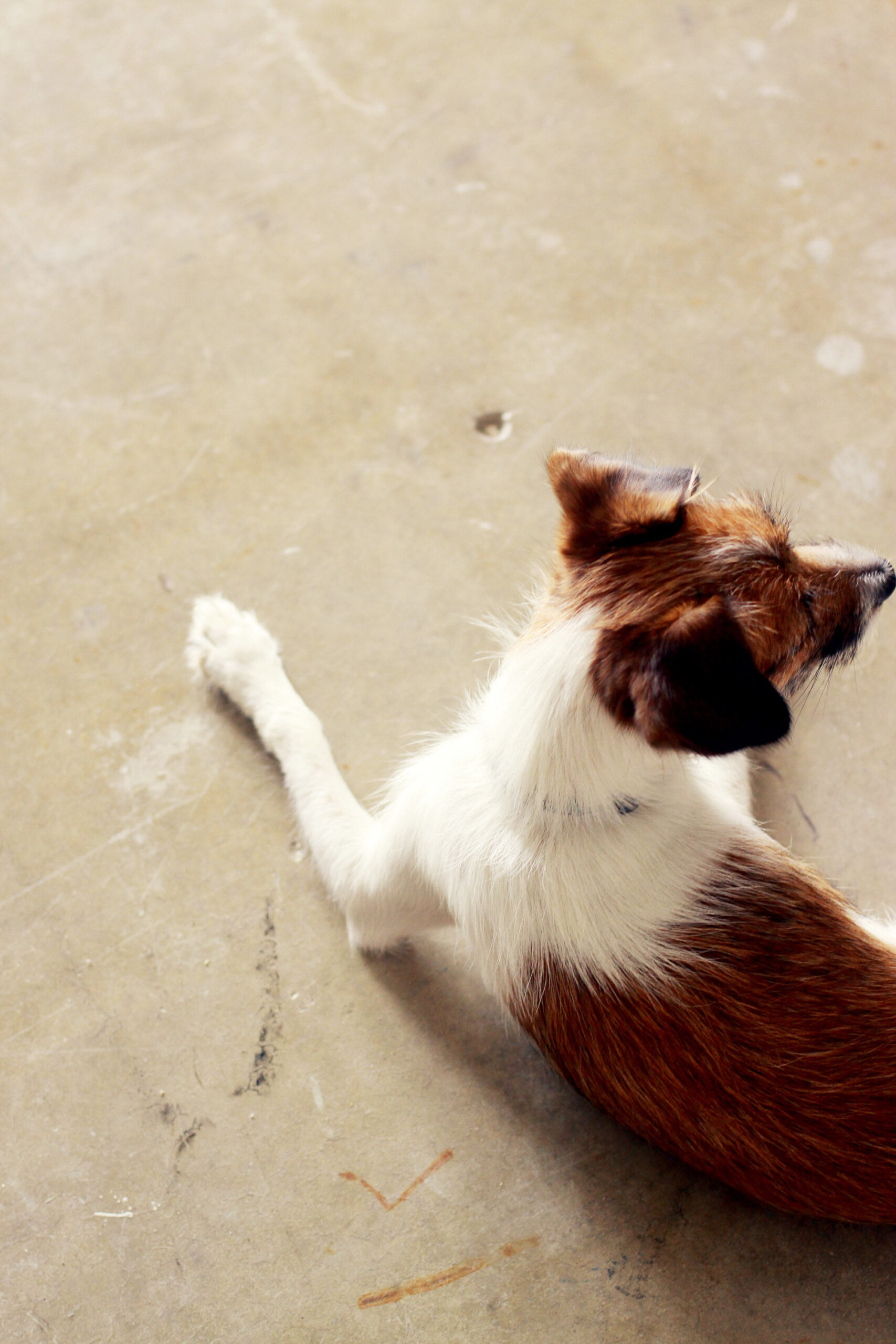


Pet coaching transforms animal lovers into professionals addressing behavioral challenges through modern, fear-free training methods.
- Growing industry : Pet expenditures reached $261 billion in 2024, with significant spending on training and behavioral services
- Diverse services offered : Private sessions, group classes, specialized programs for fear and aggression, and service dog training
- Essential skills required : Animal psychology knowledge, communication abilities, and business acumen with 6-12 months intensive study
- Income potential varies : Private sessions range $75-$150 per hour, group classes $20-$40 per participant
- Modern approach emphasized : Fear-free methods using positive reinforcement rather than outdated dominance-based techniques
Transforming your love for animals into a rewarding career as a pet coach represents more than just professional fulfillment. Since discovering coaching after experiencing burnout as a business professional and mother of two, I’ve witnessed how meaningful this career path can be for those seeking human-centered work that creates genuine impact.
The pet coaching industry has experienced remarkable growth, with the American Pet Products Association reporting that pet industry expenditures reached $261 billion in 2024, including significant spending on training and behavior services. This surge reflects pet parents’ increasing awareness of the importance of proper training and behavioral support for their companions.
Understanding what pet coaches do in practice
Pet coaches serve as bridges between pet parents and their animals, addressing behavioral challenges while strengthening the human-animal bond. Unlike traditional dominance-based training approaches, modern pet coaching emphasizes fear-free methods that build trust rather than compliance through intimidation.
My experience in personal development has shown me that coaching principles apply beautifully to pet relationships. Just as human coaching focuses on understanding underlying needs and motivations, pet coaching addresses the root causes of behavioral issues rather than merely suppressing symptoms.
Professional pet coaches offer diverse services tailored to specific needs :
- Private one-on-one sessions for personalized attention
- Group classes that provide socialization opportunities
- Specialized programs for fear, aggression, and reactivity issues
- Service dog training for individuals with specific needs
- Social walking programs that combine exercise with training
The typical coaching process begins with a comprehensive assessment, often starting with a complimentary consultation call. This approach mirrors successful business coaching practices where understanding the client’s unique situation precedes any intervention. Many established coaches like Shawna and Jessica from established practices offer these initial consultations to ensure proper fit and set realistic expectations.
Modern pet coaching has evolved significantly since companies began establishing fear-free training protocols in 2013. These methods explicitly reject outdated tools like choke chains, prong collars, and shock devices, focusing instead on positive reinforcement and relationship building.
Essential skills and training pathways for aspiring pet coaches
Becoming a successful pet coach requires a unique blend of technical knowledge and interpersonal skills. Drawing from my background in business coaching and personal development, I’ve observed that the most effective pet coaches possess strong communication abilities and genuine empathy for both animals and their human companions.
Core competencies for pet coaches include understanding animal behavior, learning theory applications, and conflict resolution skills. The ability to educate pet parents while remaining patient during challenging situations mirrors the qualities I value in effective business coaching relationships.
| Skill Category | Essential Abilities | Development Timeline |
|---|---|---|
| Technical Knowledge | Animal psychology, training techniques, safety protocols | 6-12 months intensive study |
| Communication Skills | Client education, active listening, problem-solving | Ongoing development through practice |
| Business Acumen | Marketing, client management, program development | 3-6 months focused learning |
Professional certification programs provide structured learning pathways, though the industry doesn’t mandate specific credentials. Many successful coaches combine formal training with hands-on experience, gradually building expertise through mentorship and continuous education.
The investment in quality training programs typically ranges from $2,000 to $8,000, depending on depth and specialization. Online programs offer flexibility for parents or professionals transitioning careers, while in-person training provides valuable hands-on experience with various animals and behavioral scenarios.
Complementary skills that enhance a pet coach’s profile include basic veterinary knowledge, understanding health coaching principles, and business development capabilities. These additional competencies create more comprehensive service offerings and stronger client relationships.
Building your career and attracting clients as a pet coach
Establishing a thriving pet coaching practice requires strategic thinking similar to launching any coaching business. My entrepreneurial journey taught me that finding your specific niche becomes crucial for differentiation in competitive markets.
Successful pet coaches often specialize in particular areas such as puppy training, senior dog care, or specific behavioral challenges like separation anxiety or leash reactivity. This specialization allows deeper expertise development while making marketing messages more targeted and effective.
Income potential varies significantly based on location, specialization, and business model. Private sessions typically range from $75 to $150 per hour, while group classes generate $20 to $40 per participant. Established coaches often develop multiple revenue streams including training packages, online courses, and specialized programs.
Building credibility requires patience and consistent results delivery. Client testimonials become invaluable marketing tools, particularly when they demonstrate specific improvements in pet behavior and strengthened human-animal relationships. Many coaches offer money-back guarantees or follow-up support to ensure lasting results.
The digital landscape offers tremendous opportunities for pet coaches willing to embrace online delivery methods. Video consultations, virtual training sessions, and digital resource libraries expand geographic reach while accommodating busy pet parents’ schedules.
Professional networking within the pet industry creates referral opportunities from veterinarians, pet retailers, and rescue organizations. Many successful coaches establish partnerships with local animal shelters, offering discounted services to adopters while building community relationships.
Market opportunities and professional development in pet coaching
The pet coaching industry continues expanding as pet ownership reaches record levels and awareness of animal welfare increases. This growth trajectory, similar to trends I’ve observed in fitness coaching and wellness sectors, suggests sustainable long-term opportunities for dedicated professionals.
Innovation within the field includes positive reinforcement technologies, behavior tracking applications, and virtual reality training environments. These developments create new service possibilities while requiring ongoing professional development to maintain competitive advantages.
Continuing education remains essential for maintaining professional credibility and expanding service offerings. Many coaches pursue additional certifications in specialized areas like service dog training, animal-assisted therapy, or behavior modification for aggressive animals.
The profession attracts individuals seeking meaningful work that combines animal welfare with human education. Parents transitioning from corporate careers often find pet coaching provides the flexibility to balance professional growth with family responsibilities while making genuine community impact.
Ethical considerations in pet coaching mirror those in human coaching, emphasizing client confidentiality, honest communication about realistic outcomes, and commitment to animal welfare above profit considerations. Professional organizations provide ethical guidelines and continuing education opportunities for committed practitioners.
Building a successful pet coaching practice requires dedication, continuous learning, and genuine passion for improving animal welfare. The rewards extend beyond financial compensation to include the satisfaction of strengthening human-animal bonds and contributing to community well-being through educated, responsible pet ownership.